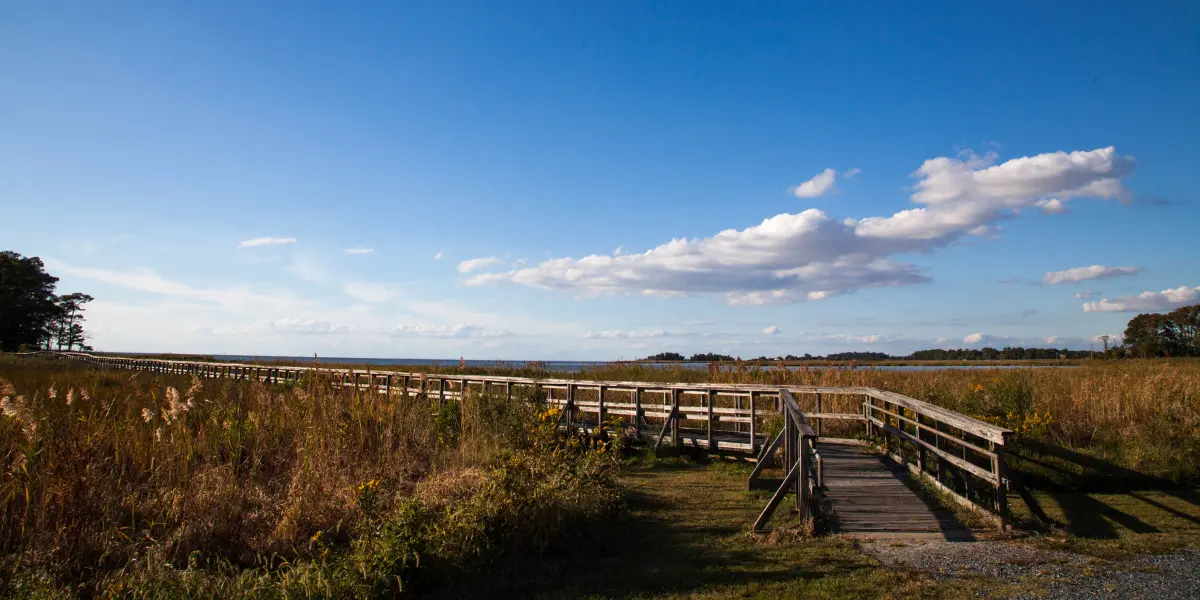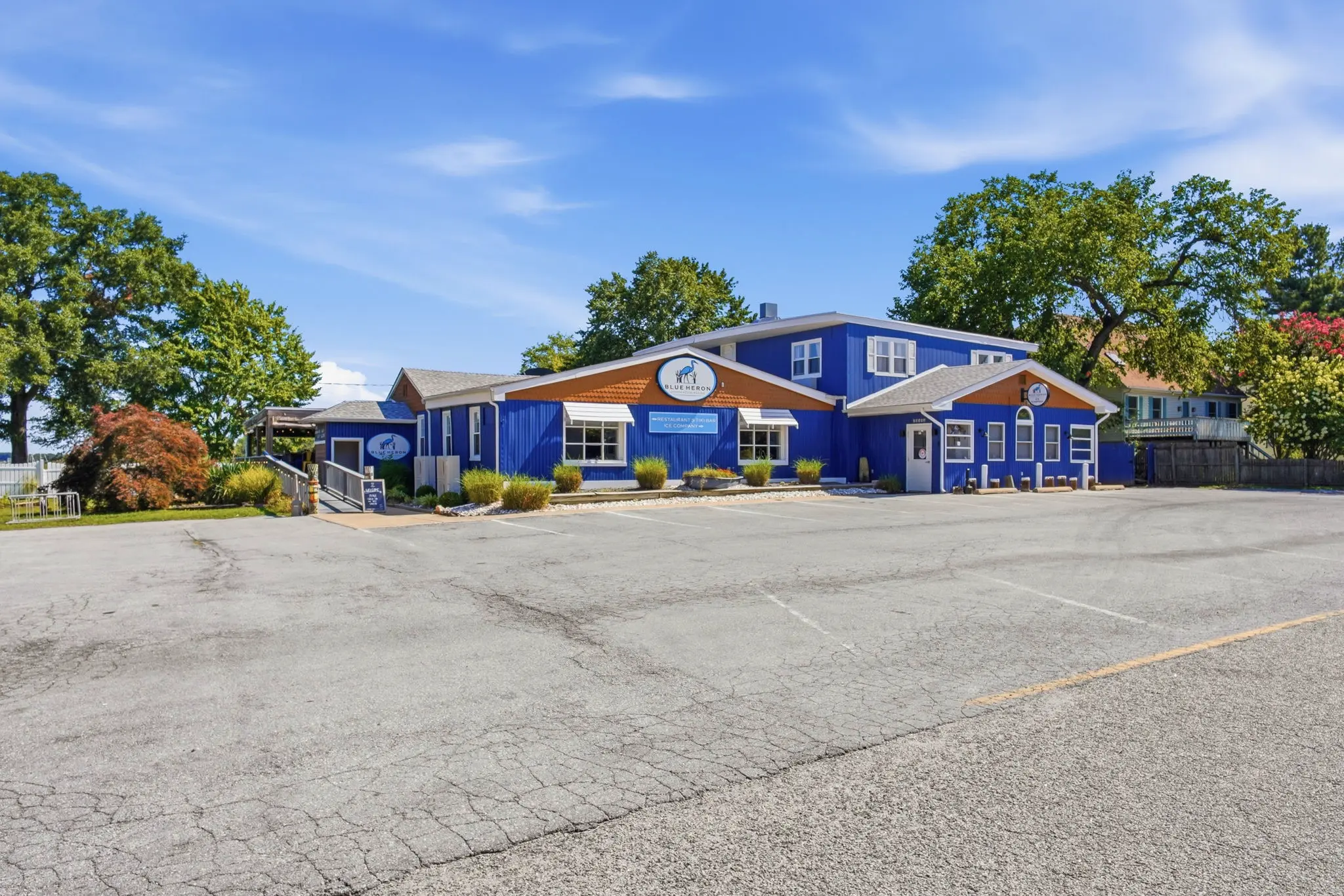
Short-term rentals took off on the Eastern Shore between 2020 and 2022, when people started vacationing closer to home and a weekend on the Chesapeake suddenly looked a lot better than a flight. Rock Hall is the clearest example. Before COVID, there was a real shortage of places to stay there. Now there are rentals everywhere, and they still fill up on event and festival weekends. Kent Island picked up a lot of them too. Some of that was the pandemic, but the number of wedding venues in the area has kept demand there steady.
As of October 1, 2026, Maryland is the first state in the country with statewide safety standards for short-term rentals. If you own a rental, are thinking about buying one, or are selling a home that has been rented out, here is what changed and how I'd think about it.
What the new law requires
The Jillian and Lindsay Wiener Short-Term Rental Safety Act is named for two Montgomery County sisters who died in a 2022 fire at a vacation rental in New York. It applies to any home rented for fewer than 30 consecutive days, and it asks hosts to meet the kind of basic safety standards you would expect in a hotel.
- Working smoke alarms and carbon monoxide detectors. CO alarms need a 10-year sealed battery or a hardwired connection with a battery backup.
- A fire extinguisher in the rental.
- A posted evacuation diagram showing every exit, along with emergency contact numbers.
- Platform verification. Booking sites like Airbnb and Vrbo now have to notify hosts of the rules and confirm their Maryland listings comply.
- Annual inspections, starting by 2028. Each county has until July 1, 2028, to set up a yearly inspection program, and counties can use certified private inspectors and charge fees to cover the cost.
One detail worth knowing: the state isn't requiring any county to allow short-term rentals. If a county or town bans them, the inspection rules don't apply there, and local zoning still decides where rentals are allowed in the first place.
If you're buying a home you plan to rent
A lot of the second-home buyers I work with plan to rent their place out for part of the year to help cover the costs of owning on the water. That can still work well here, but the math now has a few more lines in it.
Before you make an offer, I'd want to know three things:
- Whether short-term rentals are allowed at that address at all, since that depends on the county, the town, and sometimes the zoning of a specific lot.
- What it will cost to bring the home up to the new safety standards. That is usually modest, but it adds up in an older house with several bedrooms.
- What your county's licensing, lodging tax and future inspection fees will look like, because those are ongoing costs, not one-time ones.
I'd also be realistic about income. There are far more rentals on the Shore than there were a few years ago, and most aren't performing the way they did in 2020 through 2022. The homes that do best stand out: waterfront, a pool or hot tub, an outdoor kitchen, or something to do on a rainy day, like a game room, a theater room or a pickleball court.
If you're coming from out of the area, this is where local knowledge really matters. The rules can change from one side of a town line to the other, and a listing that mentions great rental income doesn't tell you whether the next owner can keep renting it.
If you're selling a home that's been a rental
If your home has been rented short-term, the new law gives you a chance to stand out. A buyer who wants to keep renting will want to see a current license, a record of lodging taxes paid, and a home that already meets the safety requirements. When all of that is in order, it's one less question for them and one less thing to negotiate.
If it isn't in order yet, I'd rather we handle it before listing than have it come up during inspections. Adding detectors, an extinguisher and a posted evacuation plan is a small project compared to the price conversation it can prevent.
County and town rules still matter most
The state law sets a safety floor, but your county and town still decide whether you can rent, whether you need a license, and what taxes you collect. Even the definition of short-term can differ. The state draws the line at 30 days, Talbot County at fourteen weeks, and Kent County at four months.
Talbot County requires a short-term rental license and payment of the county's public accommodations tax, and it has a Short-Term Rental Review Board that handles applications and violations. If the home is inside a town such as Easton, St. Michaels or Oxford, the town handles licensing instead.
Kent County requires owners to collect a short-term rental tax on stays of up to four consecutive months. The tax has to appear as a separate line on the guest's bill, and owners file a monthly report with the county's Office of Finance by the 21st, with a separate report for each property. If the home is in a town such as Betterton, Chestertown or Rock Hall, the town may have its own registration, permit or licensing requirements.
Queen Anne's County requires an annual zoning certificate for every short-term residential rental under County Ordinance 24-09, which took effect in January 2025. Owners apply through the Planning and Zoning Office, either in person or online, and complete a short-term rental worksheet. The county also collects a hotel tax through its Finance Office, and it runs a 24/7 complaint hotline for rentals in unincorporated areas. If the home is inside one of the county's incorporated towns, the town handles complaints and may have its own rules.
Cecil County doesn't currently require a county license for short-term or long-term rentals. A friend of mine who owns a short-term rental there didn't have to register it with the county. Cecil does have a hotel rental tax, so check with the county about whether it applies to your rental. If the home is inside one of Cecil's incorporated towns, the town may have its own requirements.
Because this law is so new, county and town rules are still taking shape, and some of what's here may change as each county builds its inspection program ahead of the 2028 deadline. Before you buy, sell or list a rental, please confirm the current requirements with the county and town where the property is located. I'll keep this post updated as things change.
My take on the bigger picture
I'm glad to see basic safety standards in place, because every guest deserves a working smoke alarm and a clear way out. What I'm watching is how our counties handle the oversight. Running annual inspections takes people and time, and I'd like to see those costs covered by the rental fees the law allows rather than passed along to every homeowner through taxes.
The rentals themselves are part of the Shore now. They bring visitors into our restaurants, marinas and shops, and in some towns they've also changed what's available for people who want to live here year-round. What I tell buyers is that the market has caught up. There are many more rentals than there were in 2020, so the ones that earn well are the ones guests can't find anywhere else.
Either way, the new law makes it more important to go into a purchase with clear eyes about what renting will really involve. If the water is a big part of why you're buying, my waterfront buyer's guide covers what to know about owning on the water.
Frequently asked questions
When did Maryland's short-term rental safety law take effect? October 1, 2026. Counties have until July 1, 2028, to begin annual inspections.
Does the law apply to monthly or seasonal rentals? The state safety rules cover stays of fewer than 30 consecutive days. Your county may define short-term rentals differently for licensing and tax purposes.
Can I still rent out a home I buy on the Eastern Shore? It depends on the county, the town and the property. The state law doesn't require any county to allow short-term rentals, so check the rules for the specific address before you buy.
Do short-term rentals still make money on the Eastern Shore? Some do, but there are many more rentals than there were in 2020 through 2022, and most aren't performing the way they did then. Homes with something special, like waterfront, a pool or hot tub, or space for games and entertainment, tend to do best.
Who pays for the inspections? Counties can charge fees to cover their inspection programs, and each county will decide how to set them up between now and 2028.
Does a home's rental history transfer to a new owner? Licenses generally don't transfer automatically, so a buyer who plans to keep renting should expect to apply in their own name.
Thinking about a rental property on the Shore?
Whether you're buying a second home you'd like to rent for part of the year or selling a home with a rental history, I'm happy to walk through the rules for the specific properties you're considering. Reach out anytime, and we'll look at what renting would really involve before you make a decision.